
 +1 (843) 806-0527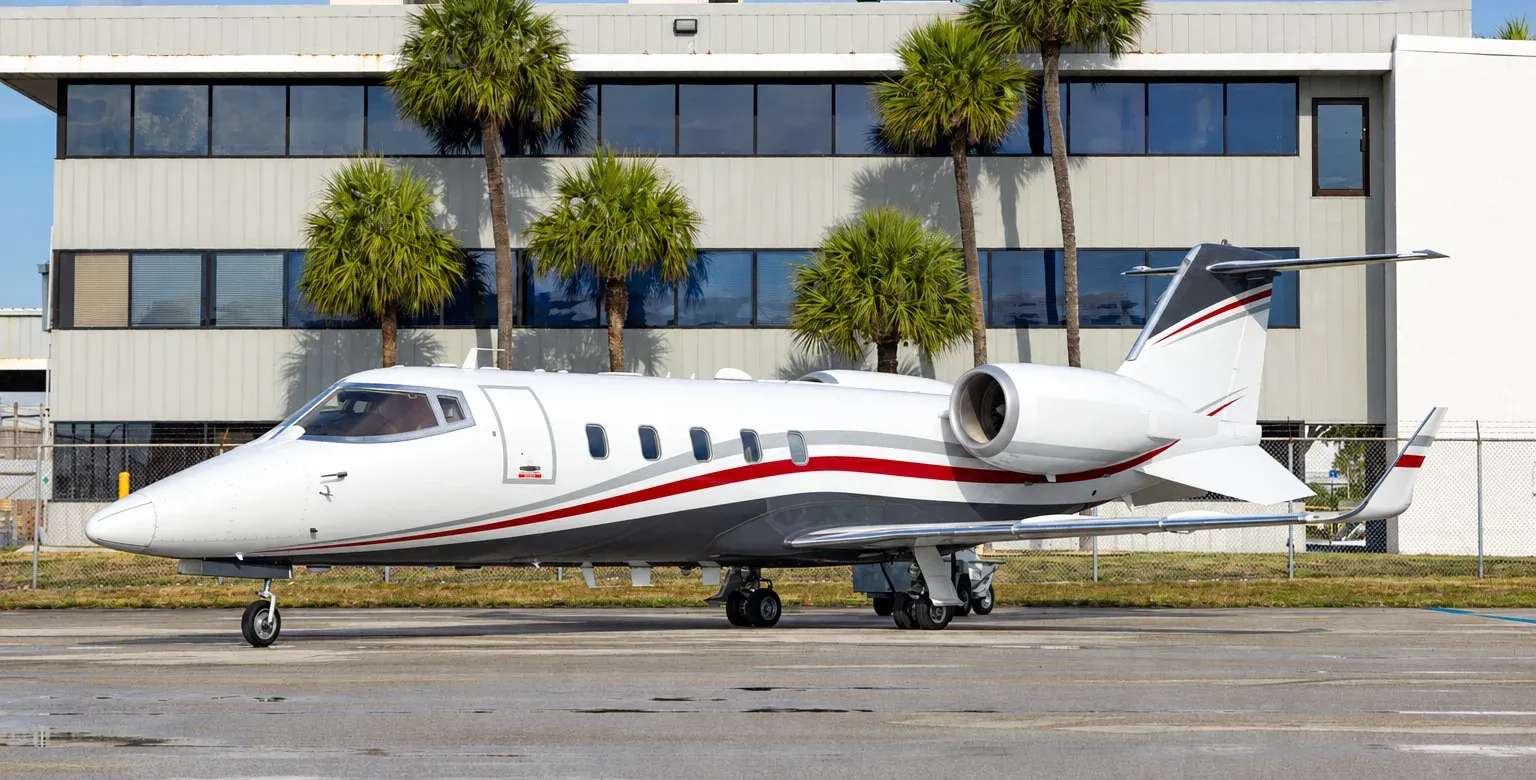
Aircraft Acquisition Guide: How to Buy a Private Jet with Capital Jets
Most guides to buying a private jet stop at closing. At Capital Jets, closing is where our part of the job gets longer: we crew, maintain and fly the aircraft our clients buy, and place qualifying aircraft into charter service on our own Part 135 certificate.
That is why we approach aircraft acquisition as an operator rather than a broker. A poor purchase can become our problem too, so we steer clients away from aircraft that will be expensive or unreliable to keep in service. Capital Jets is an ARGUS Platinum Operator based in South Florida and South Carolina, and this guide walks through the 12 steps we take with first-time buyers and owners trading up.
Your aircraft acquisition team
Before any money moves, make sure each of these is lined up:
- An acquisition advisor or operator to size the aircraft, find candidates and run the numbers
- Aviation legal counsel for the letter of intent and purchase agreement
- An aviation tax advisor for ownership structure, sales and use tax, and depreciation
- An independent pre-purchase inspection facility with no ties to the seller
- An independent escrow and title agent to hold funds and clear the title
Capital Jets fills the first role and works alongside your attorney, tax advisor and escrow agent through closing.
Phase 1: Plan the aircraft acquisition
Step 1. Define the mission before you look at listings
 The most common and most expensive mistake in aircraft acquisition is buying a jet bigger than you need. Transatlantic range sounds sensible until you pay for it on every 90-minute hop. Before you look at a single listing, answer these questions:
- Who flies? Your typical passenger count, not the maximum.
- Where do you go? Your most frequent city pairs and the runway lengths at the airports you actually use.
- How far? The trip length you fly most often, with realistic reserves and winter headwinds.
- How often? Your expected annual flight hours, which drive almost every cost decision that follows.
- Will it charter? Charter demand favors certain types, ages and cabin sizes.
Buy for most of your missions and charter for the rare trip outside them.
How Capital Jets helps: We go through your recent trips before we open any listing. Owners who regret a purchase usually bought for a couple of long trips a year.
Step 2. Decide how it will be operated, and plan any upgrades
First-time buyers usually step up from charter, a jet card or fractional ownership. Owning adds crew, maintenance, insurance and FAA compliance, so decide before you buy whether you will handle them or hand them to an aircraft management company.
Owners trading up run two deals at once, and the risk is in the timing:
- Sell first. No double costs, but you may charter until the new aircraft arrives.
- Buy first. No gap in flying, but you pay for two aircraft until the sale closes.
- Trade in. Simpler, though it usually brings less than the open market.
- Coordinate both closings. Closing within days of each other keeps both the gap and the overlap short.
Complete records help the outgoing aircraft sell, and a major inspection coming due can change the best time to list.
How Capital Jets helps: We plan both sides of an upgrade together to keep time without an aircraft short and protect the outgoing aircraft’s value.
Step 3. Budget for the full cost of ownership
What the aircraft costs to operate over the years you own it decides whether ownership works. A realistic budget covers three things:
- Fixed costs. Crew salaries and training, insurance, hangar and calendar-based inspections, paid whether the aircraft flies or not.
- Variable costs. Fuel, engine program or reserve payments, landing fees and crew travel.
- Upcoming events. Major inspections, engine and landing gear overhauls, and mandated avionics upgrades due during your ownership.
Before you sign a letter of intent, also get estimates for advisor fees, the pre-purchase inspection and its findings, escrow and title, legal fees, FAA registration, and sales or use tax.
How Capital Jets helps: A market report shows what similar aircraft sold for last quarter. We estimate what one specific tail number will cost to keep flying over the next five years, which often shows a low asking price is no bargain.
For qualifying aircraft, charter revenue goes into the plan from day one:
- Floating fleet. Our aircraft pick up the next trip where the last one ended instead of flying home empty, and the fleet is concentrated on the U.S. East Coast.
- Revenue share on the whole invoice, including cancellation, standby and non-flight-day fees.
- Guaranteed charter hours written into the management agreement, with any shortfall paid by us.
See how Capital Jets aircraft management works.
Step 4. Choose cash, financing or lease
Cash keeps the deal simple and strengthens an offer. Financing preserves capital, though lenders underwrite the aircraft’s age, condition and maintenance as well as you and often require an appraisal, so bring them in before you make an offer. A lease lowers the upfront cost and shifts resale risk to the lessor in exchange for less flexibility. Decide with your tax advisor, since the choice affects tax treatment.
Phase 2: Evaluate the aircraft
Step 5. Choose new or pre-owned
 New aircraft offer current avionics, a warranty and a known history, but cost more, depreciate fastest early on and often mean waiting for a delivery slot.
Pre-owned aircraft are available sooner and usually deliver more capability per dollar, but condition varies widely. Check two things:
- Engine program enrollment. Engines on an hourly maintenance program make costs predictable and help resale.
- Upgrade paths. When the FAA mandates new equipment, aircraft without a practical upgrade path can face long downtime and large bills.
How Capital Jets helps: For most first-time buyers, we recommend a well-maintained pre-owned aircraft with program-enrolled engines. It is available sooner, and its operating costs are easier to predict.
Step 6. Build the shortlist and read the records
Once the mission and budget are clear, the market narrows to a few models and a handful of specific aircraft, some of them off market. Before any offer, check the records for:
- complete, continuous logbooks with no gaps
- damage history and how repairs were documented
- compliance with airworthiness directives
- component times and maintenance coming due
- who has operated and maintained the aircraft
How Capital Jets helps: We read the records as the future operator, asking whether we could dispatch the aircraft reliably and economically and whether it would qualify for charter. The Learjet 60 is our core fleet type, so we know its inspection program in particular detail. If a candidate doesn’t suit your flying, you hear it from us before the deposit goes down.
Step 7. Value the aircraft and negotiate
Treat the asking price as a starting point. Comparable sales, total time and cycles, engine program status, damage history, avionics and upcoming maintenance can put two aircraft of the same model and year far apart. An independent appraisal gives you a figure to negotiate from, and an aircraft listed for months usually leaves more room. Keep some leverage for later, because inspection findings often justify a lower final price.
Phase 3: Close the purchase
Step 8. Submit a letter of intent and deposit
Your letter of intent (LOI) sets out:
- the offered price and deposit
- the inspection location and scope
- the delivery conditions
- the timeline
An independent escrow agent holds the deposit. Pre-owned aircraft are usually sold “as is, where is,” so use the LOI to require airworthiness, current maintenance, complete records and no undisclosed damage at delivery.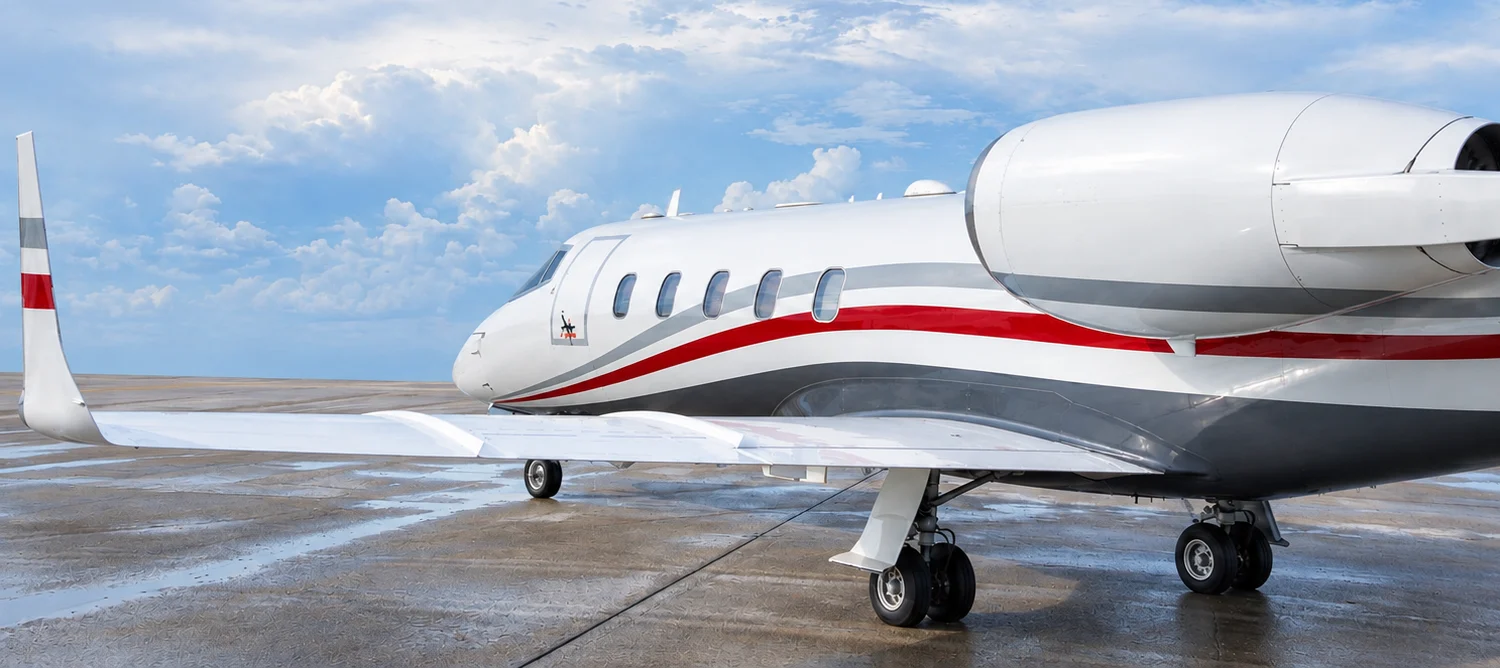
Step 9. Sign the purchase agreement and set the ownership structure
The purchase agreement makes the LOI binding, including how discrepancies are handled and the exit points if the deal stalls, so have aviation counsel review it. Settle ownership at the same time:
- Ownership entity. Many aircraft are held in an LLC rather than personally.
- Part 91 vs. Part 135. Owner flights operate under Part 91; charter flights operate under Part 135 through a certificated operator such as Capital Jets.
- Tax. Federal depreciation rules changed in 2025, so see an aviation tax advisor before you close.
Step 10. Complete the pre-purchase inspection
The pre-purchase inspection (PPI) is the most important safeguard in an aircraft acquisition. Choose a facility independent of the seller and experienced with the type, and allow several days to several weeks. The seller normally corrects airworthiness items, and other findings can support a price adjustment, a fix before delivery or a decision to walk away.
How Capital Jets helps: We also read the findings for how carefully previous owners maintained the aircraft, which helps us forecast what it will cost you to own.
Step 11. Accept the aircraft, close and take delivery
After reviewing the completed work and an acceptance flight, you sign a technical acceptance. A title search identifies any liens, and on closing day escrow transfers the funds, releases the liens and files the bill of sale and registration with the FAA. Bind insurance before the aircraft moves, then take delivery at the agreed location.
Phase 4: Aircraft management and charter with Capital Jets
Step 12. Set up aircraft management and charter
A delivered aircraft still needs crew, maintenance and insurance. Flying charter also requires an FAA conformity process to add it to a Part 135 certificate, with pilots hired and trained for the type. Before you sign with any management company, ask how it makes its money, whether you can choose your own maintenance provider and parts, and what markup it adds to third-party work.
How Capital Jets answers:
- No management fee and no hangar fee. Direct operating costs are billed at invoice.
- No markup on fuel or on third-party maintenance and parts.
- Your choice of shop. Our in-house maintenance and parts sourcing cut downtime, but you can nominate another qualified provider or source your own parts. As the certificate holder, we approve the provider and remain responsible for airworthiness.
- Charter access. As an approved supplier to charter brokerages, jet card providers and fractional programs, we find trips a single managed aircraft would struggle to win.
Because we reviewed the records during the acquisition, we know the aircraft from day one of management. Read more about buying an aircraft with Capital Jets.
Start your aircraft acquisition with Capital Jets
Bring us your recent trips and budget. We will shortlist aircraft that fit both, estimate their charter earnings, and after closing, take over aircraft management and charter flights as your ARGUS Platinum Operator.
Talk to our acquisition team
Tell us your mission: passengers, range, expected annual hours, and budget. We'll find the right aircraft on and off the market, review every record, manage the pre-buy inspection, and negotiate on your behalf through closing.
Direct line
+1 (843) 806-0527Talk to our team
No account, no login.
Confidential. We do not share your details with third parties.